A typical household's real take-home pay rose $109 a month between late 2022 and early 2026, but a worker's monthly debt payments rose $57 over the same stretch, according to a new study covered by CNBC. So a good part of recent income gains went to lenders instead of to spending or savings. Here is what that means for your own paycheck.
What the study found
The research comes from The Century Foundation, a nonpartisan think tank, and the consumer advocacy group Protect Borrowers. They looked at credit records for millions of Americans aged 25 to 64 and matched them with Census Bureau income figures.
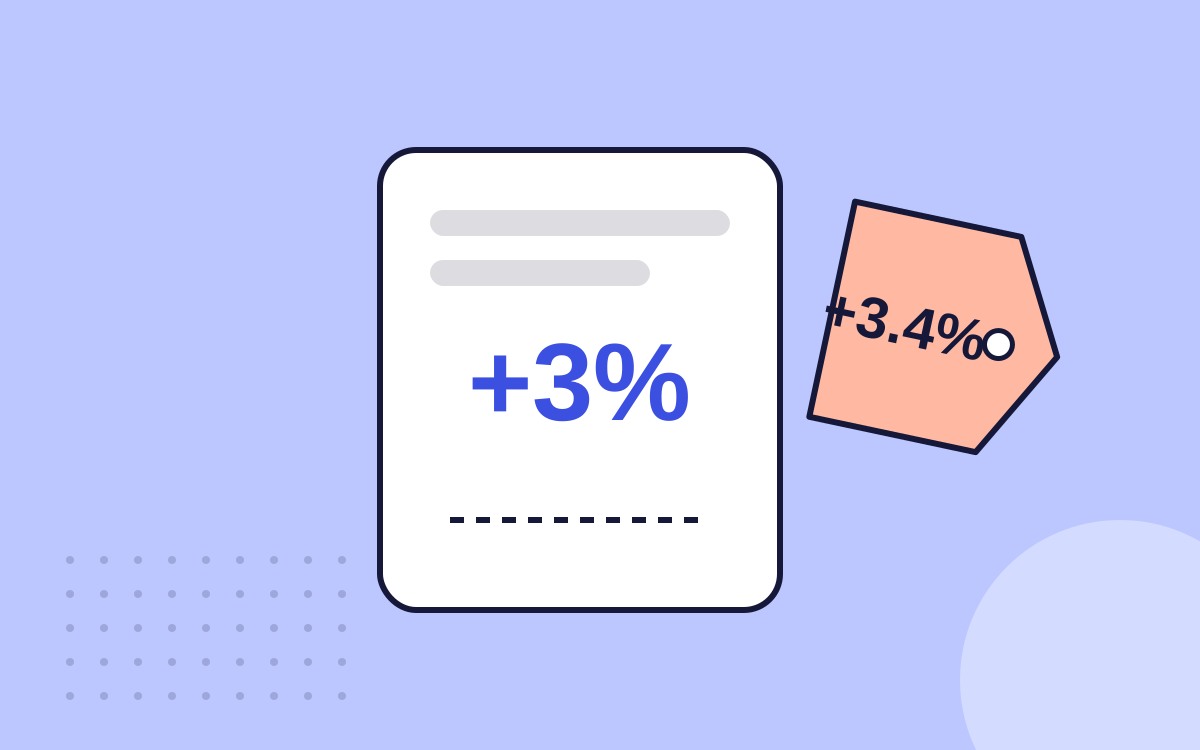
Real take-home pay means your pay after taxes, adjusted for inflation. By that measure, the typical household gained $109 a month. Debt payments went up $57 a month. For a one-earner household, the researchers estimate that 52 cents of every dollar of recent income gains has gone to bigger debt payments. For two-earner households, they project that debt has absorbed more than the entire real income gain.
The longer trend is starker. Inflation-adjusted debt payments grew nearly 15% in about three years. Household income rose less than 2% over that time, so debt payments grew roughly eight times as fast.
What it means for your raise
A raise shows up on your pay stub as a bigger gross number. But the money you can actually use is what is left after taxes, inflation and fixed bills. If your card, car loan or student loan payments climb at the same time, part of the raise is spoken for before you see it.
That is why two people with the same raise can feel very different. One has more room each month. The other feels no change at all, because the extra pay went straight to lenders.
The Century Foundation's Angela Hanks, who leads its policy work, warned the numbers may understate the squeeze. The study counted card balances, car loans and leases, student debt and home equity lines. It left out mortgages, many deferred-payment installment plans, medical payment plans and loans that do not appear on a credit file, such as payday loans. Including them would push payments higher. She called the findings "perhaps the rosiest analysis that we could have done using the data". Hanks also said more people are turning to credit cards to cover basics when their paychecks fall short.
The wider picture
Separate Federal Reserve survey data points the same way. In 2025, 8.6% of families put more than 40% of their income toward debt, up from 6.5% in 2022. That share was last that high in the 2013 survey.
LendingTree analyst Matt Schulz said debt gets risky when it drags on for six months or longer, or when people take seven-year auto loans or bigger or longer mortgages than they would ideally want. Before borrowing, he suggests checking the total cost, the repayment terms and whether your savings could handle a surprise expense.
Questions to ask about your own paycheck
You do not need a study to run this check on yourself. Grab your last pay stub from before your most recent raise and your newest one.
- How much did my take-home pay change, not just my gross pay?
- Did my monthly debt payments go up over the same period, and by how much?
- Is any new borrowing covering everyday costs my paycheck used to cover?
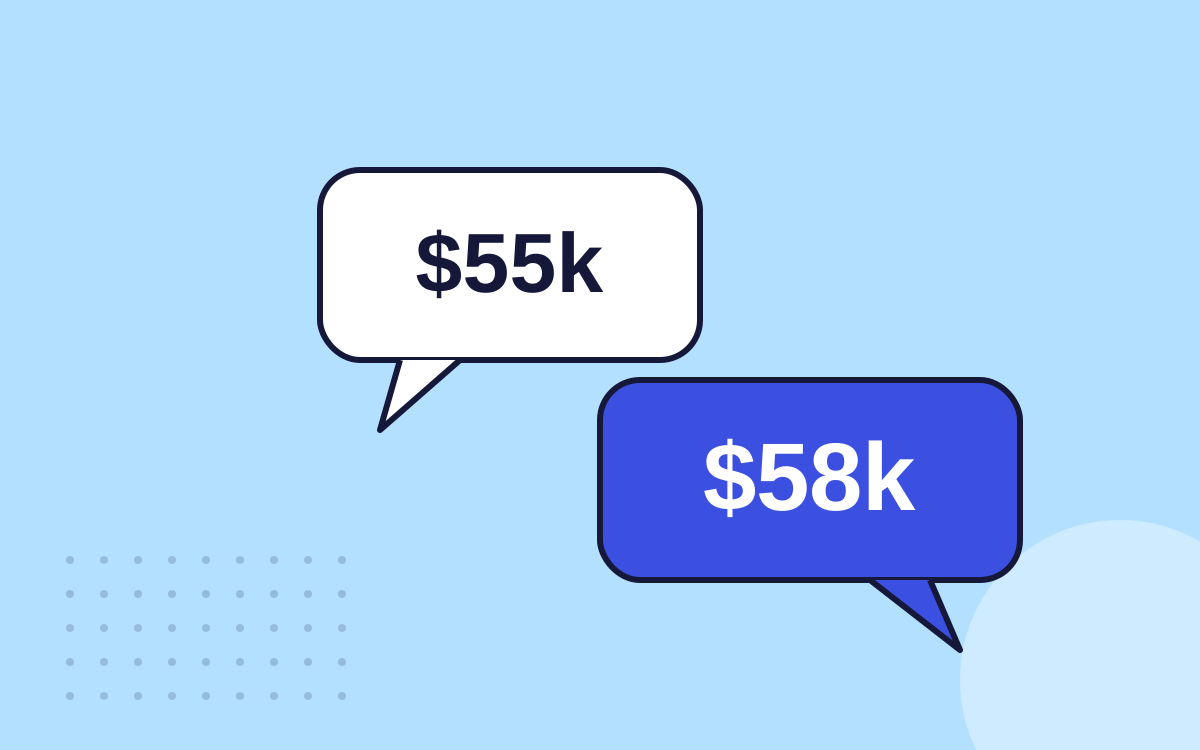
- If I am offered a raise or a new job, what will the change look like after taxes and my fixed payments?
Writing both numbers side by side shows how much of your raise is really yours to spend or save.
What to watch next
Watch two lines at once: how fast your pay is rising after inflation, and how fast your required payments are rising. A raise only helps your budget if it grows faster than what you owe each month. When you compare job offers or ask for more pay, keep the take-home figure, not the headline salary, at the center of the conversation.
Written with AI assistance from the reports listed under Sources. Figures, quotes and sources are checked automatically before publishing.
Sources
- CNBC, 2026-10-16 cnbc.com
This article is general education, not personal financial advice. Figures in worked examples are calculated from the assumptions stated with them and are not forecasts.
Get the next guide by email
The Payday Note every Thursday, plus the free Raise Kit.