For people who work for a paycheck
Earn a little more. Keep a lot more.
Plain-language guides on raises, changing jobs, side income and reading your paycheck, with calculators that use your own numbers. One short email every Thursday.
Pick a topic
Four ways to get more out of the job you have, or the next one.
What your job really pays per hour
- Yearly pay$52,000
- Work costs × 12 months−$3,600
- Pay kept$48,400
- Paid hours × 50 weeks2,000 h
- Commute × 5 days × 50 weeks+250 h
- Hours the job takes2,250 h
A $100 purchase costs 4.6 hours of your life. How it works
Raises
Know what a raise is worth and ask for the right one.
5Changing jobs
When moving pays more than staying, and what it costs.
6Side income
Earn on the side and keep the tax man happy.
13Your paycheck
What your job really pays, hour by hour.
Start here
Guides you can use before your next pay review. Every example shows its numbers and assumptions.

Why Skipping Benefit Questions Drains Your Paycheck
Skipping benefit questions during open enrollment can shrink take-home pay. Here is how plan choices, deductibles, and rollovers impact your paycheck.
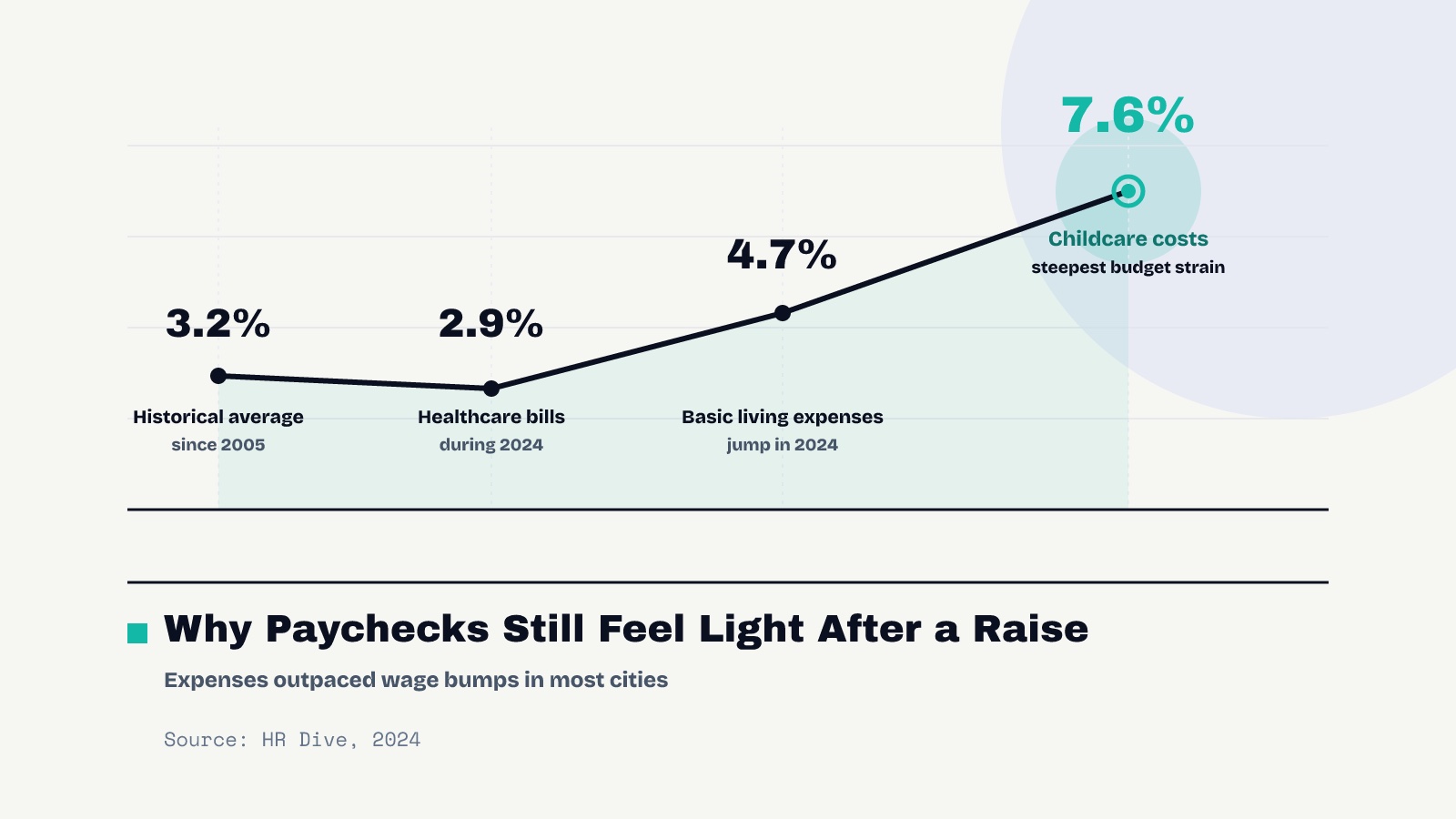
Why Paychecks Still Feel Light After a Raise

Car Side Hustles: What You Really Take Home

American Express Job Cuts: What It Means for Pay

Bad Review After Parental Leave: Your Pay Rights

Pay-to-quit offers: what $5,000 to leave really means

A third of parents leave their job after leave
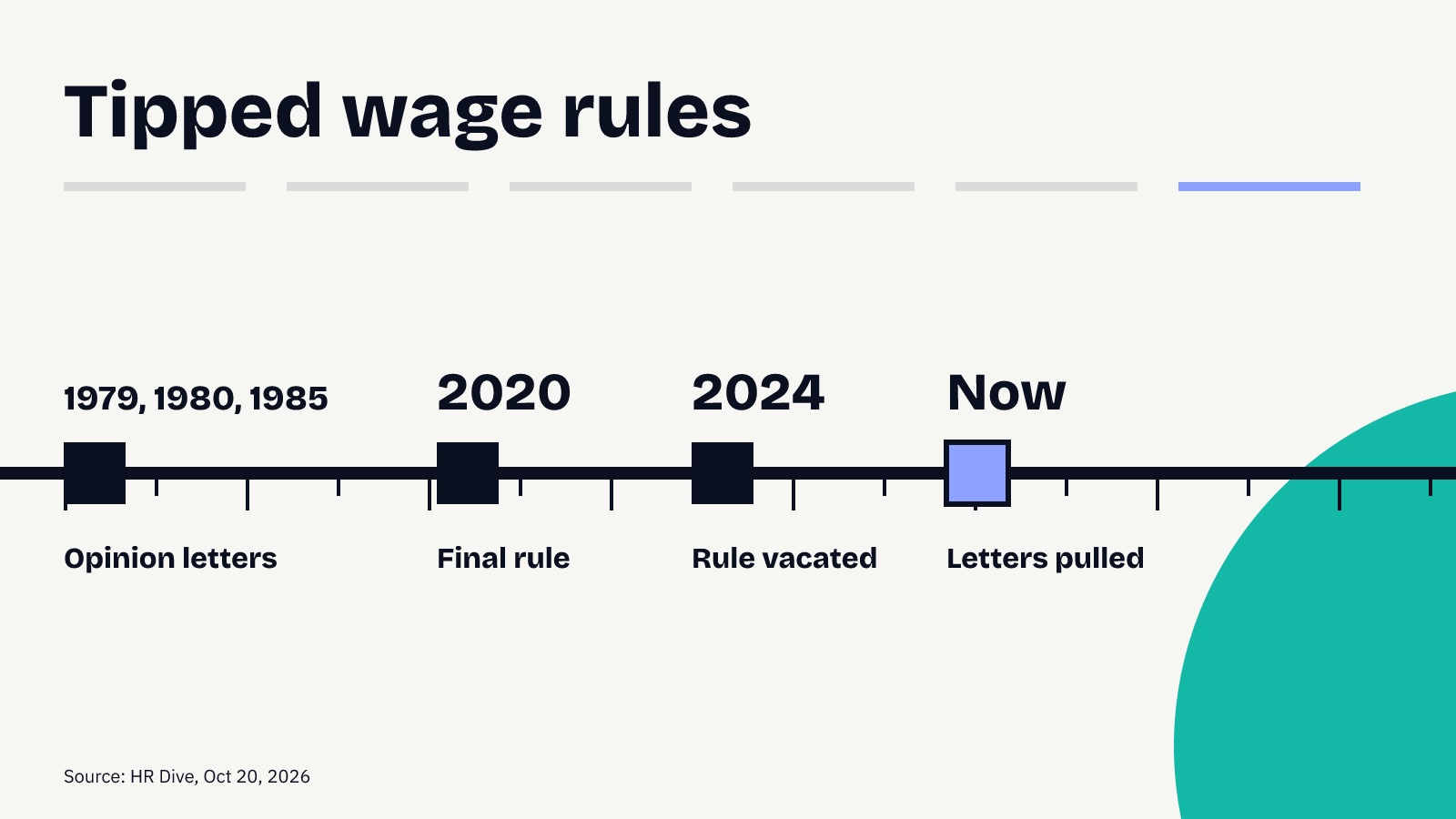
Tipped wage rules shift: which hours pay $2.13

Paid time off and overtime: why hours worked count

Open enrollment: how benefit choices shape your pay
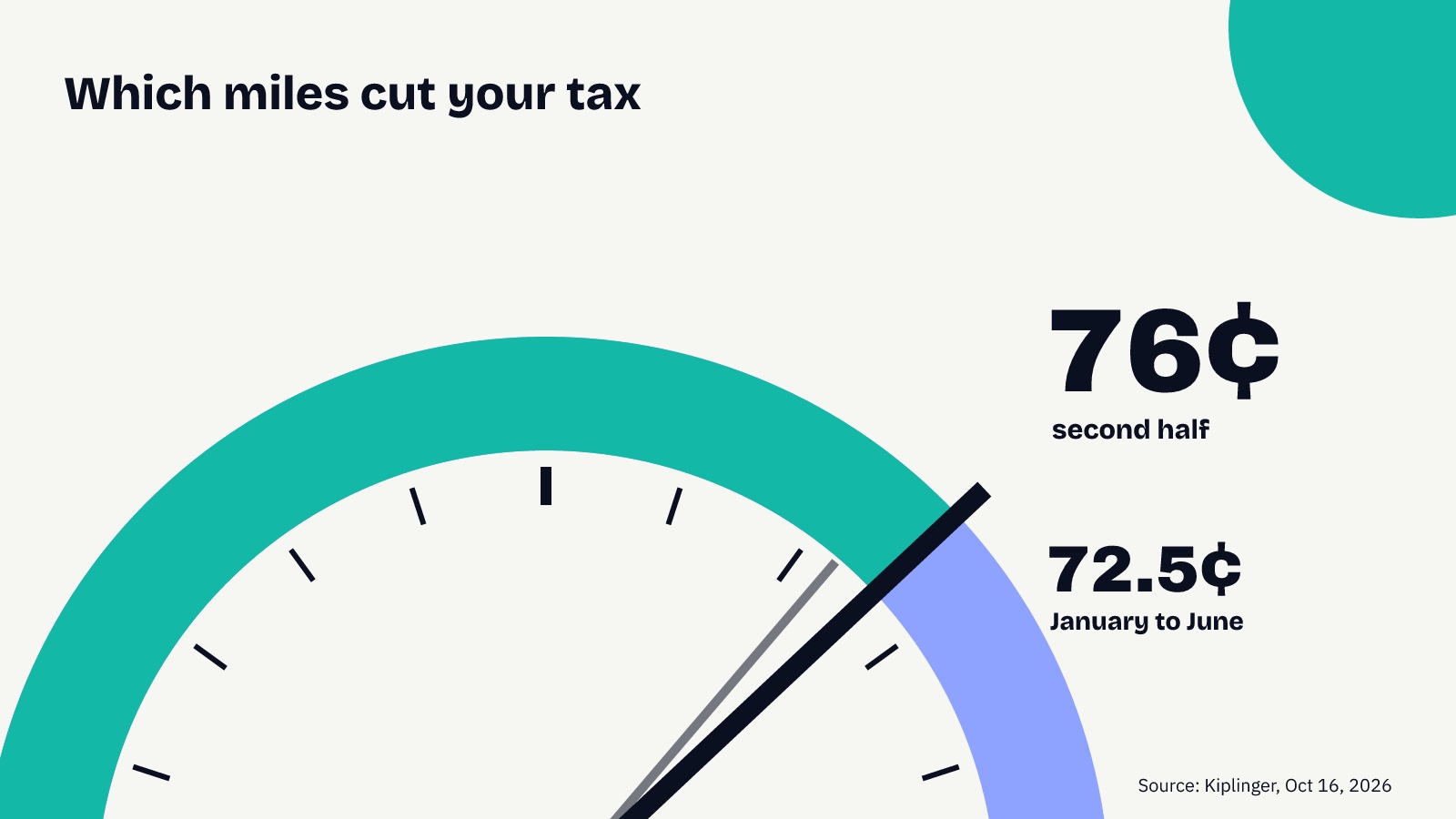
Driving for work in 2026: which miles cut your tax

Your raise vs. your debt: where the $109 went

Walmart's premium rise and new perks: your paycheck view
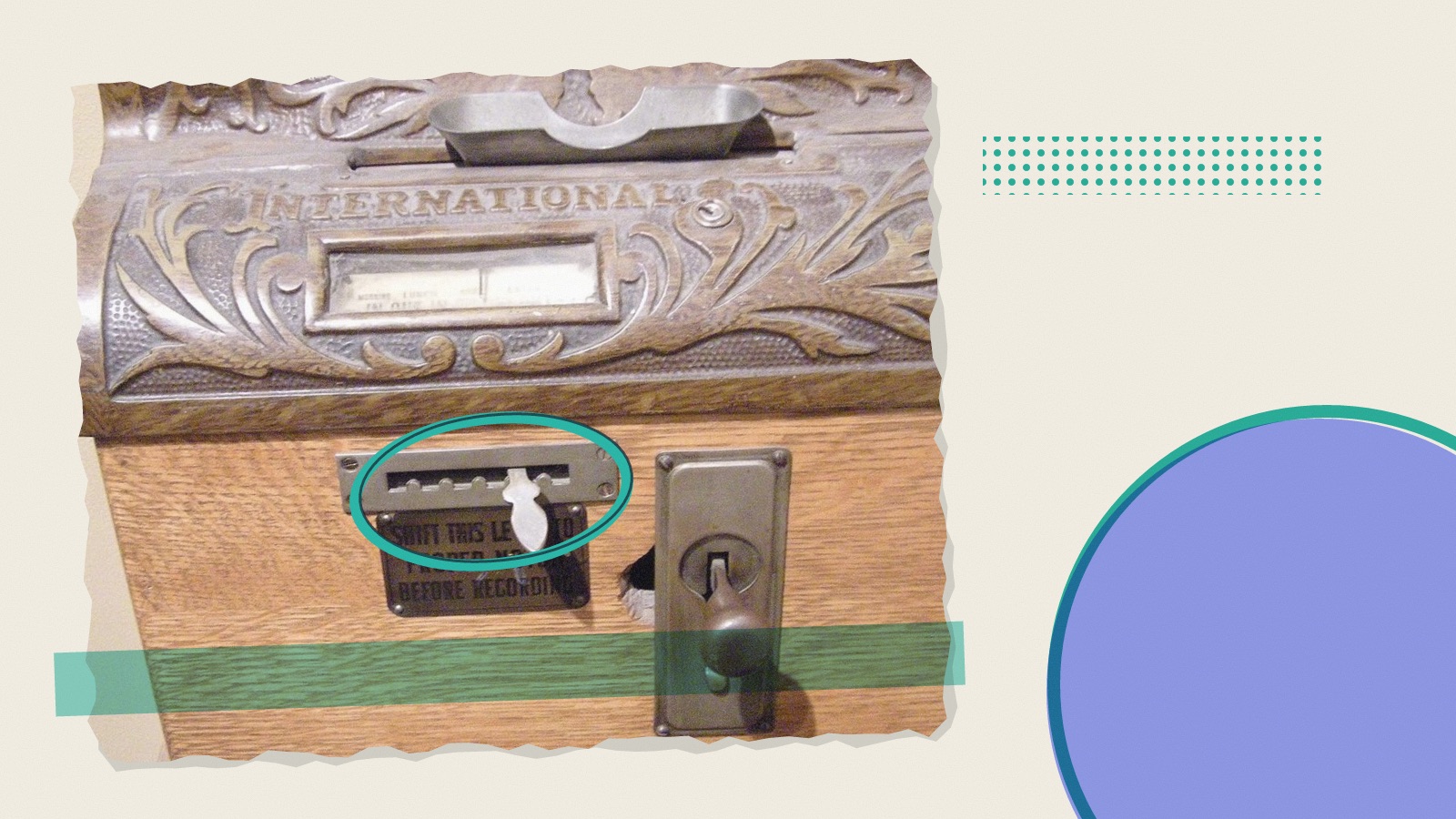
Waiting to clock in: when that time should be paid

New charity deduction for standard filers: what it saves

The ECB euro rate is not the rate you get on your pay
How a 401(k) contribution changes your take-home pay
How to calculate a raise: percent, hourly and per check


How to compare two job offers on total value
Quarterly estimated taxes on side income: dates & rules
Is your raise beating inflation? A two-minute check
Job switchers vs. stayers: what the pay data says


Your true hourly wage: what your job really pays per hour
Side income and taxes: how much to set aside


Negotiating your starting salary: what $3,000 is worth

Overtime pay: time-and-a-half rules and your paycheck
How to read your pay stub, line by line
W-2 vs. 1099: what the same pay rate is really worth
Social Security wage base 2027: $192,300 and your pay
Run your own numbers
Calculations run in your browser and nothing is stored. Results rest on the assumptions shown, not on forecasts.
Inflation defaults to the latest 12-month CPI change from BLS. Use the figure for the same 12 months as your raise. The two-minute check
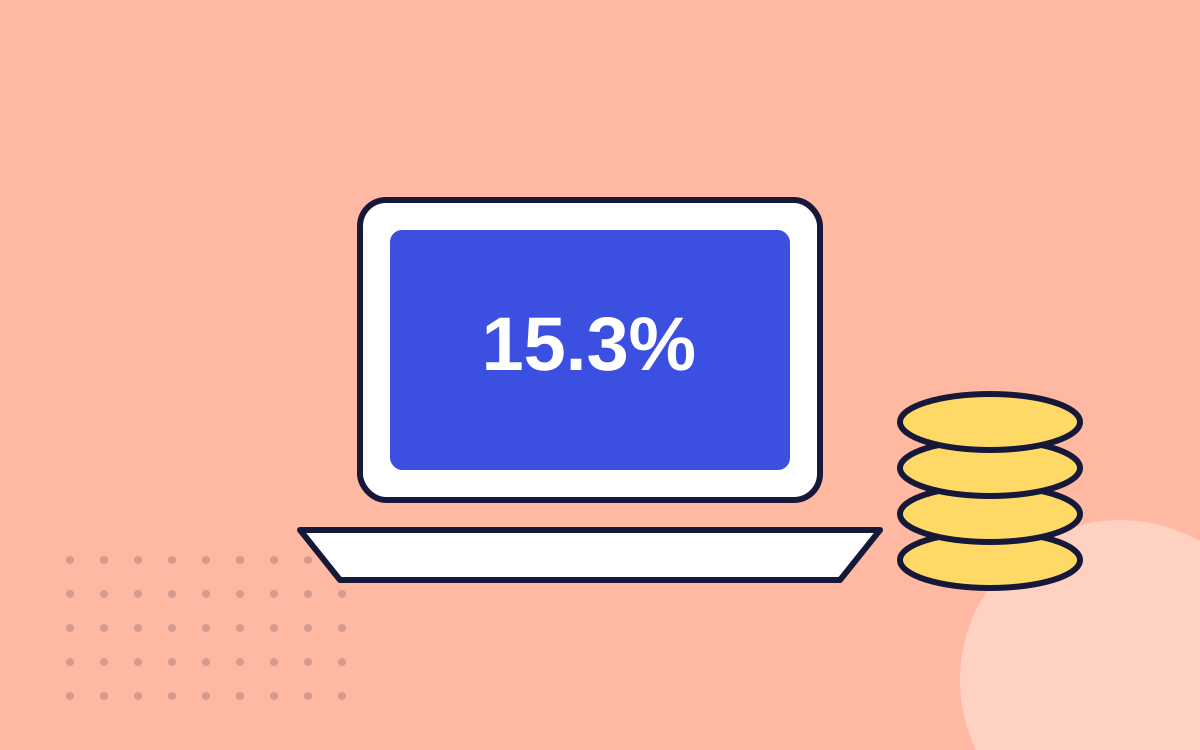
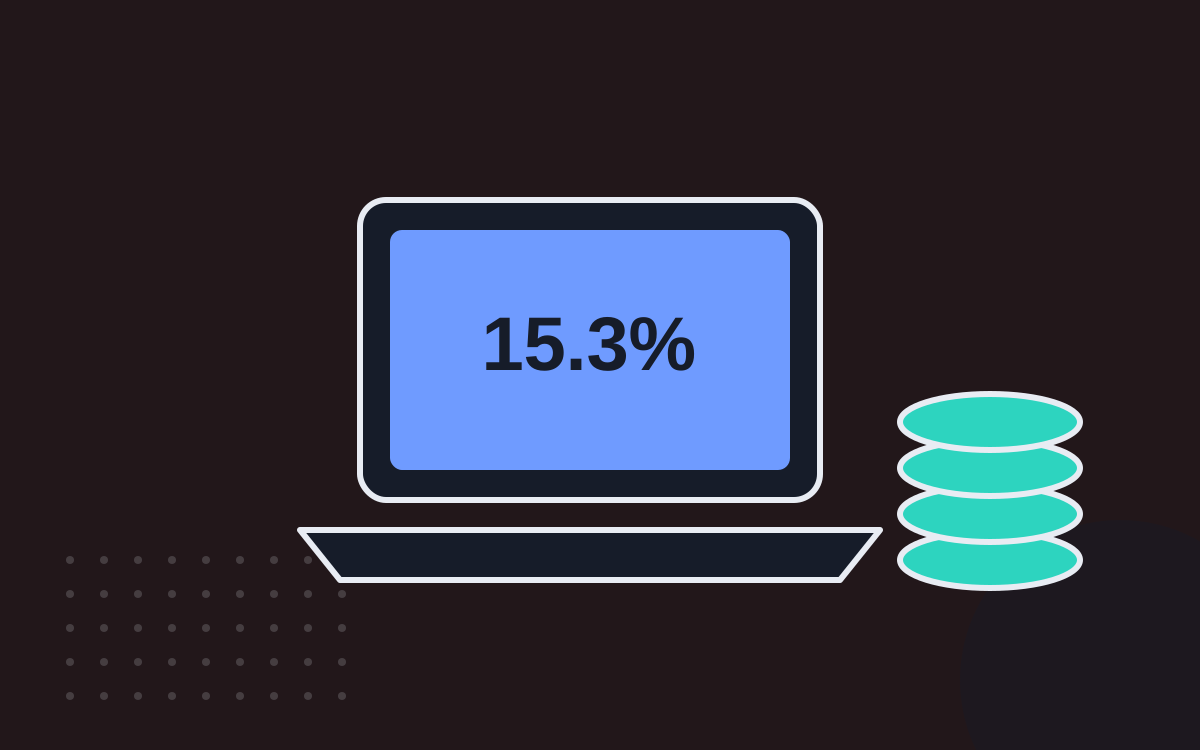
U.S. federal rules: 15.3% on 92.35% of net earnings, half of it deductible. State tax and other deductions are not included. How the tax works
Defaults are the latest median pay growth for job stayers and switchers (Atlanta Fed). Medians, not promises. What the data says
Paycheck vs. prices
The U.S. numbers behind every raise conversation, and the dates they change.
Median yearly pay growth, 12-month average
Sources: BLS average hourly earnings (CES0500000003, August 2026 preliminary) and CPI-U (CUUR0000SA0); Atlanta Fed Wage Growth Tracker, August 2026. Updated with each site rebuild; last checked October 9, 2026.
Dates that move your paycheck
Consumer prices for September
BLSJob openings and quits for September
BLSJobs report and hourly earnings for October
BLSConsumer prices for October
BLSJob openings and quits for October
BLSJobs report and hourly earnings for November
BLSConsumer prices for November
BLSEstimated tax payment due for September–December 2026 income
IRS
From the Consumer Price Index, Employment Situation, JOLTS, estimated tax due dates schedules (BLS and IRS).
Work & pay news
Headlines on jobs, pay, side income and scams aimed at workers, with a link to each original story.
Get the Raise Kit, free
A one-page worksheet and script for your next pay conversation, then the Payday Note every Thursday: one idea to earn or keep a little more.
Questions
Is it free?
Yes. The Payday Note, the Raise Kit, the guides and the calculators cost nothing.
Who is Pipwise for?
People with a job who want to earn more from it and keep more of what they earn: raises, job moves, side income and reading your own paycheck.
Where do the pay and price numbers come from?
Average hourly earnings and consumer prices come from the U.S. Bureau of Labor Statistics. Pay growth for job switchers and stayers comes from the Atlanta Fed Wage Growth Tracker. Each block shows the month it covers, and the numbers are refreshed when the site is rebuilt.
Is this tax, legal or financial advice?
No. Pipwise is general education about U.S. pay, tax and money rules. For decisions about your own situation, talk to a qualified professional.
How often will you email me?
Once a week, on Thursday. Every email has a one-click unsubscribe link.
What happens to my email address?
It is stored only to send the Payday Note and is never sold. The privacy policy explains the details.