If your raises keep landing around the same small number, the question comes up sooner or later: would I earn more somewhere else? There's good public data on how pay grows for people who move and people who stay, and it's worth knowing what it does and doesn't say.
What the data measures
The Federal Reserve Bank of Atlanta runs a Wage Growth Tracker. It follows the same people twelve months apart in the Census Bureau's Current Population Survey and takes the median change in each person's hourly pay. It splits workers into job switchers (a different occupation, industry or employer than a year earlier) and job stayers.
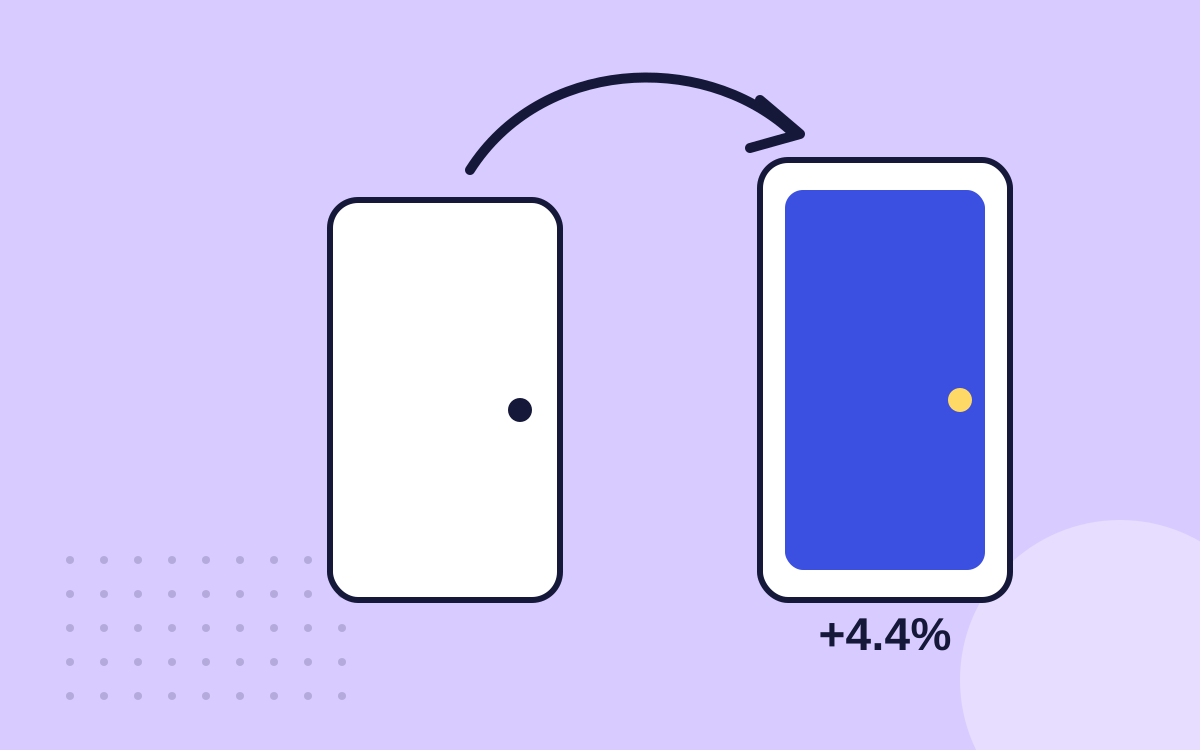
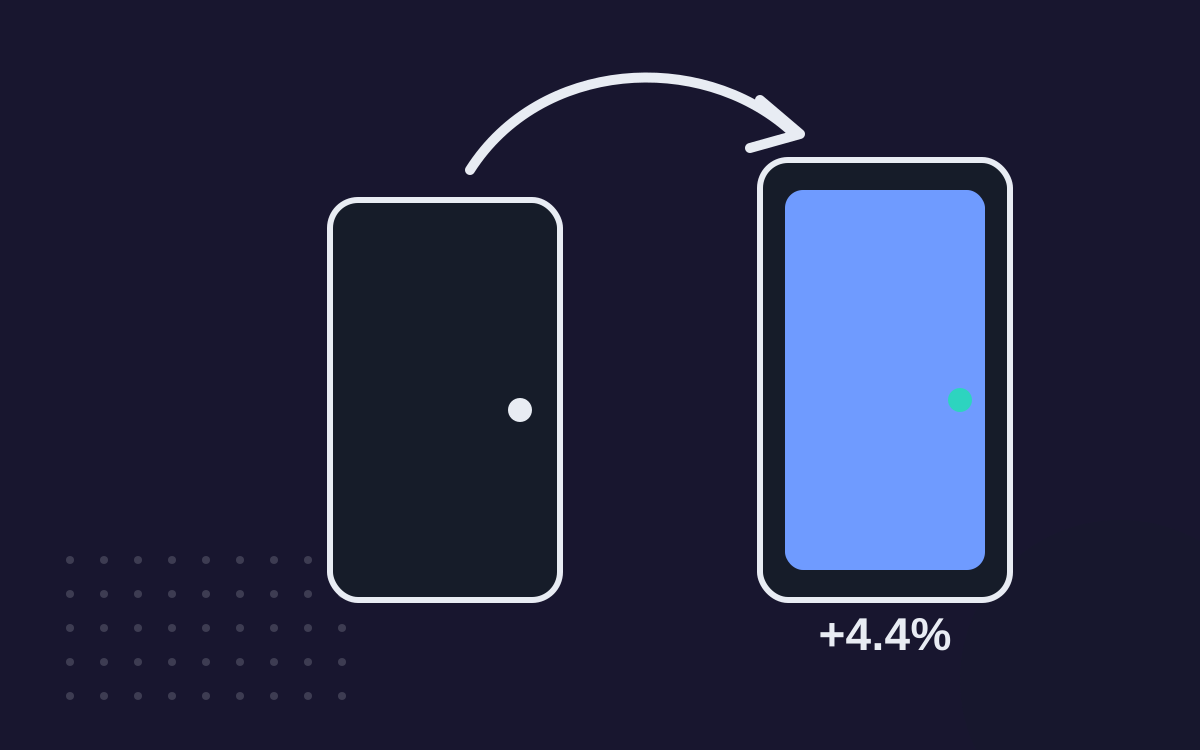
On the 12-month average to August 2026, median pay growth was 4.4% for switchers and 3.6% for stayers. Switchers were ahead by 0.8 percentage points.
What a gap like that is worth
A point or so a year sounds small. It compounds. Here is $55,000 growing for 5 years at each rate:
| Stayer pace | Switcher pace | Difference | |
|---|---|---|---|
| Salary after 1 year | $56,980 | $57,420 | +$440 |
| Salary after 3 years | $61,156 | $62,584 | +$1,428 |
| Salary after 5 years | $65,639 | $68,213 | +$2,574 |
| Total earned over 5 years | $295,526 | $300,288 | +$4,763 |
After 5 years the switcher-pace salary is $2,574 higher, and over the five years it adds up to $4,763 more in pay. In real life the gain usually comes as one bigger jump at the move rather than a steady extra point a year, but the arithmetic of "a higher base keeps paying" is the same.
What the numbers leave out
- It's a median, not a promise. Half of switchers did worse than 4.4%, and some took pay cuts on purpose for a better role.
- People who move are not a random group. Some switch because they already had a better offer in hand. The gap shows what happened, not what would happen to you.
- Moving has costs. Unvested retirement matches, a new waiting period for benefits, lost paid time off and a few months of learning a new job can eat into the first year's gain.
- The gap changes. It tends to be widest when employers are short of workers and narrows when hiring cools. Check the latest figure before you lean on it.
Read the job market first
The switcher premium depends on how badly employers need people. One simple gauge is the quits rate from the BLS Job Openings and Labor Turnover Survey: the share of workers who leave their job voluntarily in a month. People quit more when they're confident of finding something better. In August 2026 the quits rate was 1.9% (preliminary). Check the latest release before a move, and look at job postings in your own field and city, since those matter more than any national average.
Compare the whole offer, not just the salary
Salary is the biggest part of pay but not all of it. In June 2026, benefits made up 30.0% of what private employers spent on their workers: $14.07 of $46.89 an hour, according to the BLS. A new job with a higher salary and a weaker health plan or a smaller retirement match can be worth less than it looks.
- Health insurance: what you pay each month, plus the deductible and out-of-pocket maximum.
- Retirement match: how much the employer adds and how long until it's yours.
- Paid time off: days off are part of your hourly pay. Fewer days for the same salary is a pay cut per day worked.
- The real hours: commute, on-call time and expected evenings. Our true hourly wage guide shows how to put both jobs on the same footing.
- Employee or contractor: if one offer is a 1099 contract, the same rate is worth less. Our W-2 vs. 1099 guide shows how to compare them.
Before you hand in your notice
- Check your vesting. Money you put into a 401(k) yourself is always 100% yours. Employer contributions can vest over time. The IRS gives two common examples: nothing until 3 years of service and then 100%, or 20% after 2 years rising to 100% after 6. Leaving a few weeks before a vesting date can cost real money.
- Plan for health coverage. Employers with 20 or more employees generally have to offer COBRA, which lets you keep your group health coverage after you leave. You may have to pay up to 102% of the plan's cost, so price it against the gap before your new coverage starts.
- Ask about unused paid time off. Whether it's paid out depends on your state and your employer's policy.
- Get the offer in writing, with the salary, start date and the date benefits begin, before you resign.
Assumptions: a $55,000 starting salary and steady growth at the median rates for August 2026. Medians describe the middle worker; your pay depends on your field, city and skills.
Common questions
How often should I change jobs to keep my pay growing?
There's no right number. The data shows switchers' pay grows faster on average, but each move has costs. Many people get most of the benefit by testing the market every year or two and moving only when an offer is clearly better.
Will changing jobs often look bad?
Several short stays in a row can raise questions, so be ready to explain each move in one sentence. A clear reason, such as a bigger role or higher pay for the same work, is usually enough.
Should I accept a counteroffer from my current employer?
Ask why the money wasn't there before you had an offer, and whether the reasons you started looking will change. If pay was the only problem and they fix it, staying can work.
Do I lose my 401(k) when I leave?
Money you contributed yourself is always yours. Employer contributions may vest over time, so check your vested balance before you choose a leaving date.
Sources
- Federal Reserve Bank of Atlanta, Wage Growth Tracker (job switchers and stayers, via FRED) atlantafed.org
- FRED, 12-month moving average of median hourly wage growth: job switcher (FRBATLWGT12MMUMHWGJSW) fred.stlouisfed.org
- FRED, 12-month moving average of median hourly wage growth: job stayer (FRBATLWGT12MMUMHWGJST) fred.stlouisfed.org
- BLS, Job Openings and Labor Turnover Survey (JOLTS) bls.gov
- BLS, Compensation costs for private industry workers averaged $46.89 per hour worked in June 2026 (The Economics Daily) bls.gov
- IRS, Retirement topics: vesting irs.gov
- U.S. Department of Labor, Continuation of health coverage (COBRA) dol.gov
This article is general education, not personal financial advice. Figures in worked examples are calculated from the assumptions stated with them and are not forecasts.
Get the next guide by email
The Payday Note every Thursday, plus the free Raise Kit.