On October 14, 2026, the Social Security Administration announced its yearly figures for 2027. Most headlines led with the cost-of-living increase for people who receive benefits. For people who earn a paycheck, the number that matters is a different one: the Social Security wage base rises from $184,500 to $192,300.
What changed for 2027?
The wage base (the SSA calls it the contribution and benefit base) is the most earnings in a year that Social Security tax applies to. For earnings in 2027 it is $192,300, up from $184,500 in 2026.
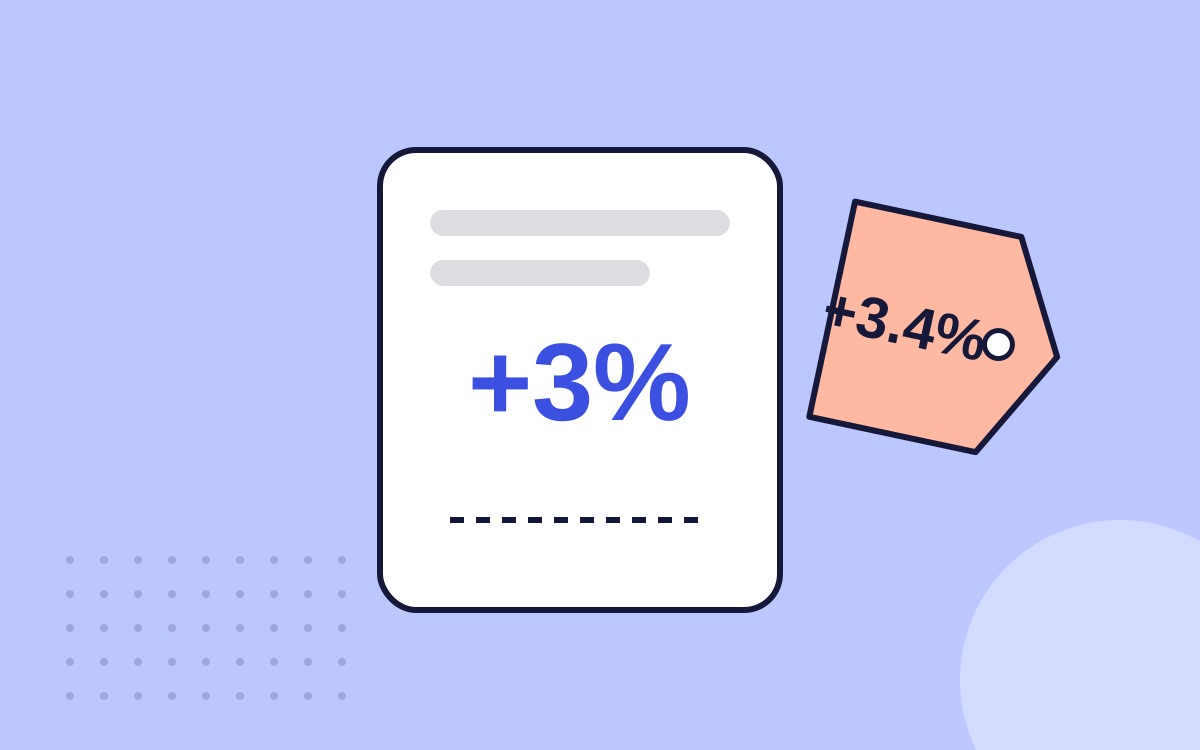
The rates don't change. The SSA notes they are set by statute: 6.2% for employees and 6.2% for employers, or 12.4% on self-employment income, for Social Security; and 1.45% each, or 2.9% for the self-employed, for Medicare. The same announcement set a 3.6% cost-of-living adjustment for benefits, effective January 2027, as reported by the Journal of Accountancy.
Who pays more Social Security tax in 2027?
Only people whose Social Security wages in 2027 go above $184,500. If you earn less than that, your Social Security tax is still 6.2% of every dollar, exactly as in 2026.
| 2026 | 2027 | Change | |
|---|---|---|---|
| Wage base | $184,500 | $192,300 | +$7,800 |
| Most an employee pays (6.2%) | $11,439.00 | $11,922.60 | +$483.60 |
| Most the employer pays (6.2%) | $11,439.00 | $11,922.60 | +$483.60 |
| Most a self-employed person pays (12.4%) | $22,878.00 | $23,845.20 | +$967.20 |
For someone at or above the new base, the extra cost is $483.60 for the year, about $40.30 a month. The base is also called the contribution and benefit base because the same limit applies to the earnings counted toward future benefits.
Why does take-home pay jump late in the year?
Social Security tax stops for the year as soon as your wages from an employer reach the base. That shows up as a sudden rise in net pay, which surprises a lot of people the first time it happens.
Take a $240,000 salary paid every two weeks: $9,230.77 a paycheck, with $572.31 of Social Security tax on each one. In 2027 the base is reached in paycheck 21, so paychecks 22 to 26 (5 of them) carry no Social Security tax, and each is about $572.31 larger. In 2026, with the lower base, the same salary reached the cap in paycheck 20, so 6 paychecks were larger.
Two things to know before you spend that extra money:
- It resets on January 1. The first paycheck of the new year is smaller again. Budget on the lower figure.
- Medicare doesn't stop. In this example the employee also passes $200,000 of wages in paycheck 22, and from that point the employer must withhold the extra 0.9% Additional Medicare Tax on wages above $200,000 (IRS). So the jump in net pay is partly offset.
Our guide to reading your pay stub shows where to find year-to-date Social Security wages, so you can see this coming.
What if I have two jobs in the same year?
Each employer withholds Social Security tax on the wages it pays, so if your combined wages pass $192,300, you can end up paying more than $11,922.60. The IRS lets you claim the excess as a credit on your federal income tax return when it came from two or more employers. If a single employer withheld too much, it should correct the error; if it doesn't, the IRS points you to Form 843.
This matters for job switchers in a high-earning year. If you change jobs mid-year, keep the final pay stub from the old employer so you can add up the two amounts at tax time.
How does the wage base work with side income?
Wages and self-employment earnings share one wage base. If your wages already reach $192,300, your side income owes no Social Security part of self-employment tax for 2027, only the 2.9% Medicare part. If they don't, the 12.4% applies until wages plus self-employment earnings reach the base. Most side earners are far below it, so our side income tax guide still applies as written.
What about people working while collecting Social Security?
The SSA also updated the retirement earnings test for people who claim benefits before full retirement age and keep working. For 2027 it lists:
- $25,560 a year (up from $24,480) if you are under full retirement age for the whole year. The SSA withholds $1 of benefits for every $2 earned above it.
- $67,920 a year (up from $65,160) in the year you reach full retirement age. The SSA withholds $1 for every $3 above it, counting only earnings before the month you reach that age.
What should I check on my own paycheck?
- Is Social Security still 6.2% of your Social Security wages on each stub, and did it stop at the right point if you earn above the base?
- If you had two employers this year, do your combined Social Security withholdings exceed the maximum for the year?
- If you earn over $200,000 with one employer, did the Additional Medicare Tax start in the right paycheck?
- Is your January budget built on your normal net pay, not the larger late-year checks?
Assumptions: a $240,000 salary paid in 26 equal paychecks by one employer, no pre-tax deductions that change Social Security wages, and no other wages. Income tax is left out. General information, not tax advice.
Common questions
Does the Social Security tax rate change in 2027?
No. The rate is set by statute at 6.2% for employees and 6.2% for employers, and 12.4% on self-employment income. Only the wage base, the most earnings it applies to, goes up.
Is there a cap on Medicare tax?
No. The 1.45% Medicare tax applies to all wages. Employers also withhold an extra 0.9% Additional Medicare Tax on wages above $200,000 paid to you in a calendar year.
I had two jobs and paid too much Social Security tax. Can I get it back?
Yes, if the excess came from two or more employers: you claim it as a credit on your federal income tax return. If a single employer over-withheld, ask that employer to correct it; if it doesn't, the IRS points you to Form 843.
Does the wage base affect side income?
Yes. Wages and self-employment earnings share one wage base, so wages that already reach it mean no further Social Security part of self-employment tax for that year. The 2.9% Medicare part still applies.
Sources
- Social Security Administration, Contribution and benefit base (2027: $192,300) ssa.gov
- Social Security Administration, Exempt amounts under the earnings test ssa.gov
- IRS, Topic no. 751: Social Security and Medicare withholding rates irs.gov
- IRS, Topic no. 608: Excess Social Security and RRTA tax withheld irs.gov
- IRS, Topic no. 554: Self-employment tax irs.gov
- IRS, Questions and answers for the Additional Medicare Tax irs.gov
- Journal of Accountancy, Social Security wage base and COLA announced for 2027 (Oct 2026) journalofaccountancy.com
This article is general education, not personal financial advice. Figures in worked examples are calculated from the assumptions stated with them and are not forecasts.
Get the next guide by email
The Payday Note every Thursday, plus the free Raise Kit.