Walmart is adding free prescriptions and paid leave for parents of babies in neonatal intensive care, HR Dive reported. At the same time, workers on its starting health plan will pay a bit more for coverage each pay period. Here is how a mix like that shows up on a pay stub, and what any worker can check during open enrollment.
What changed at Walmart
The new perks get the headlines. According to HR Dive, Walmart plans free prescriptions for employees and paid leave for parents whose newborn is in a NICU. The company is also opening a rare conditions center of excellence. Workers and their dependents will be able to see specialists for ALS, multiple sclerosis and Parkinson's disease at no cost, through places such as Mayo Clinic and Cleveland Clinic. Travel is covered for the patient and one adult caregiver.
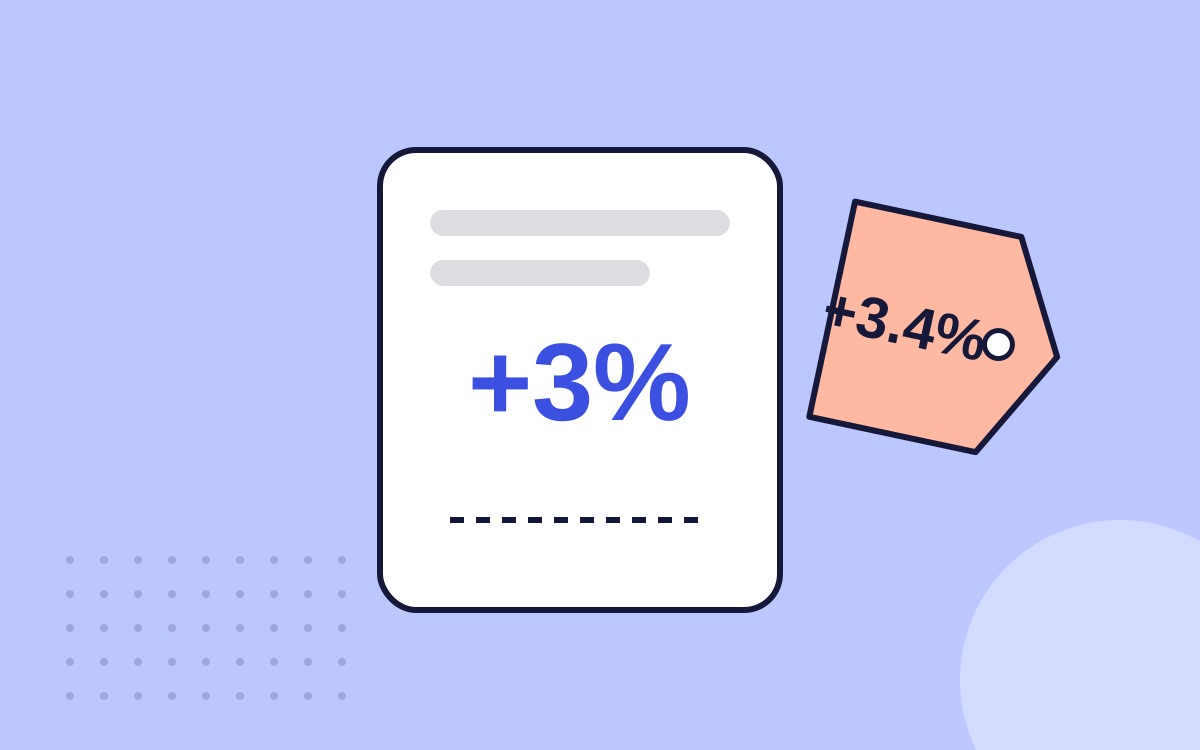
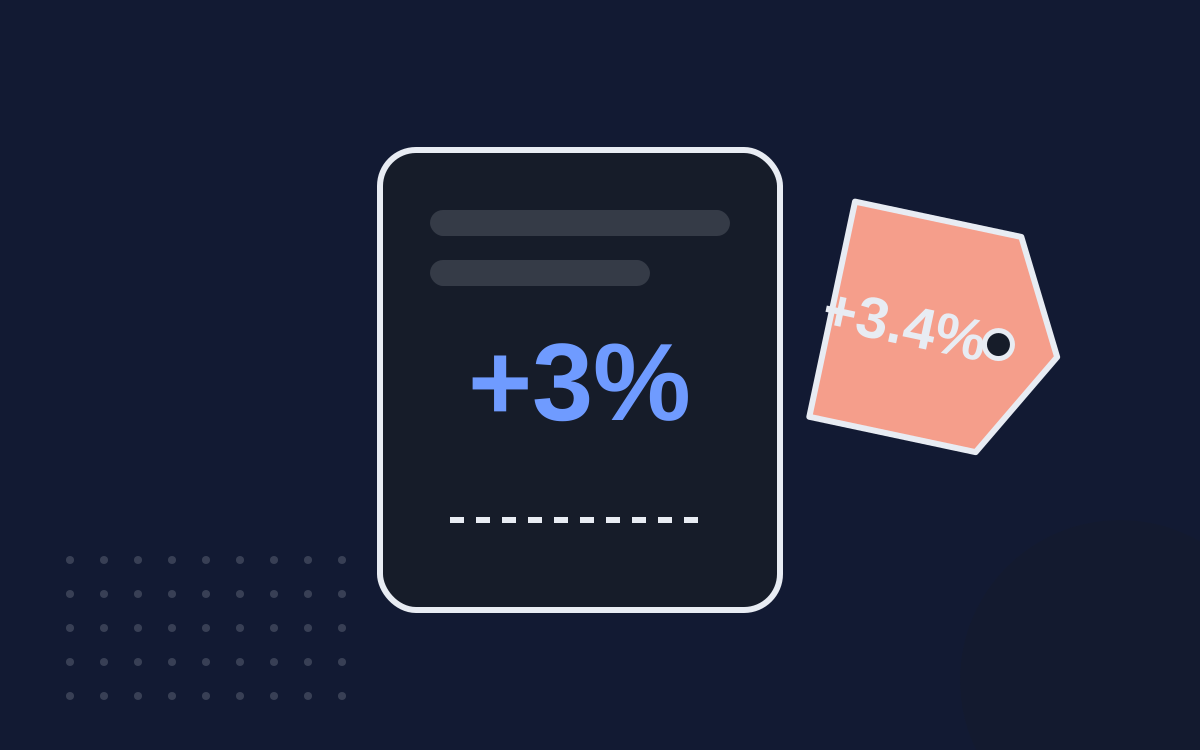
The cost side is smaller but real. Walmart said the starting plan will cost workers $39.80 each pay period, an increase of $1.50. The company said that increase is smaller than the one workers saw last year. A Walmart spokesperson said years of planning and testing allowed the company to improve benefits without cutting them or sharply raising premiums.
What it means for your take-home pay
A health premium is a deduction taken out of every paycheck before the money reaches you. So even when your hourly rate stays the same, a higher premium means a slightly smaller deposit each payday. That is why it pays to read the deduction lines on your stub, not just the gross pay at the top.
The other half of the picture is what you no longer pay out of pocket. Free prescriptions can matter more than a small premium change if you or your family fill prescriptions often. Paid NICU leave can protect income during a hard and expensive time. Whether the package leaves you ahead depends on how you actually use your coverage, so the honest answer is different for every worker.
Walmart is not alone in raising worker costs. HR Dive said employers are bracing for health insurance price increases of nearly double digits, and many plan to shift part of that to employees. If you work somewhere else, expect your own open enrollment to carry similar choices.
Benefits as part of your pay
It helps to think of benefits as part of what a job pays you. HR Dive noted that Walmart has reshaped its benefits and training for years in response to market demands. In 2023 it doubled the free counseling sessions it offers employees and families each year, and dropped degree requirements for some corporate roles. In 2024 it refocused its Live Better U education benefit on in-demand skills, and in 2025 it worked with OpenAI on an AI certification program for U.S. store-floor and office staff.
Training benefits like these do not change this week's paycheck. But they can make it easier to move into a better-paid role later, which is worth weighing when you compare jobs.
Questions to ask about your own paycheck
Before you pick a plan for next year, a few plain questions can show what the change means for you.
- How much is taken out for health coverage each pay period now, and how much will it be after open enrollment?
- Which plan tier am I on, and would a different tier fit how my family actually uses care?
- What do I pay out of pocket for prescriptions today, and does my new plan change that?
- Does my employer offer paid family or medical leave, and how much of my pay does it cover?
Write the answers down. Comparing them year to year is the simplest way to see whether a raise is being eaten by rising deductions.
What to watch next
Open enrollment season is when most of these changes become real. Watch for your employer's plan notices, and check your first pay stub of the new plan year to confirm the deduction matches what you chose. If anything looks off, ask payroll or HR early, while it is easy to fix.
Written with AI assistance from the reports listed under Sources. Figures, quotes and sources are checked automatically before publishing.
Sources
- HR Dive, 2026-10-15 hrdive.com
This article is general education, not personal financial advice. Figures in worked examples are calculated from the assumptions stated with them and are not forecasts.
Get the next guide by email
The Payday Note every Thursday, plus the free Raise Kit.