With the job market softening, more workers turn to their cars to bring in extra cash. Recent Bureau of Labor Statistics revisions cut previous employment figures for July and August by 60,000 jobs, Kiplinger reported. But before you log into a driving app, you need to understand what actually lands in your pocket after vehicle wear and taxes.
Why gross app earnings deceive
When an app deposits money into your bank account, that figure is gross revenue, not your true take-home pay. A vehicle is an asset that loses value every mile you drive. When you use it for delivery or rideshare work, you are effectively converting the equity in your car into fast cash, while taking on future repair bills.
An annual study by AAA shows owning and running a new car costs an average of $12,863 each year, or approximately $1,072 monthly, assuming 15,000 miles driven annually over five years. The AAA operating calculation accounts for total depreciation alongside financing charges, fuel consumption, insurance premiums, maintenance appointments, and state registration fees. If your side gig adds thousands of miles, your actual ownership costs rise significantly.
Maintenance, mileage, and your vehicle type
Routine upkeep costs add up much faster than most drivers expect. Research from NerdWallet indicates that motorists pay an average of 11.7 cents per mile to handle vehicle repairs and routine maintenance. That cost hits your wallet regardless of whether an order paid well or barely broke even.
The type of vehicle you drive also changes which parts wear out first, as noted by Kiplinger. Electric cars eliminate oil change expenses but face accelerated tire degradation from battery mass and instant torque. Hybrids extend brake life through regenerative systems. To offset these costs at tax time, keeping an exact log of your driving is critical. Covering July to December 2026, the IRS standard business mileage deduction reached 76 cents per mile, rising from 72.5 cents in the year's initial half.
Taxes and insurance gaps that reduce pay
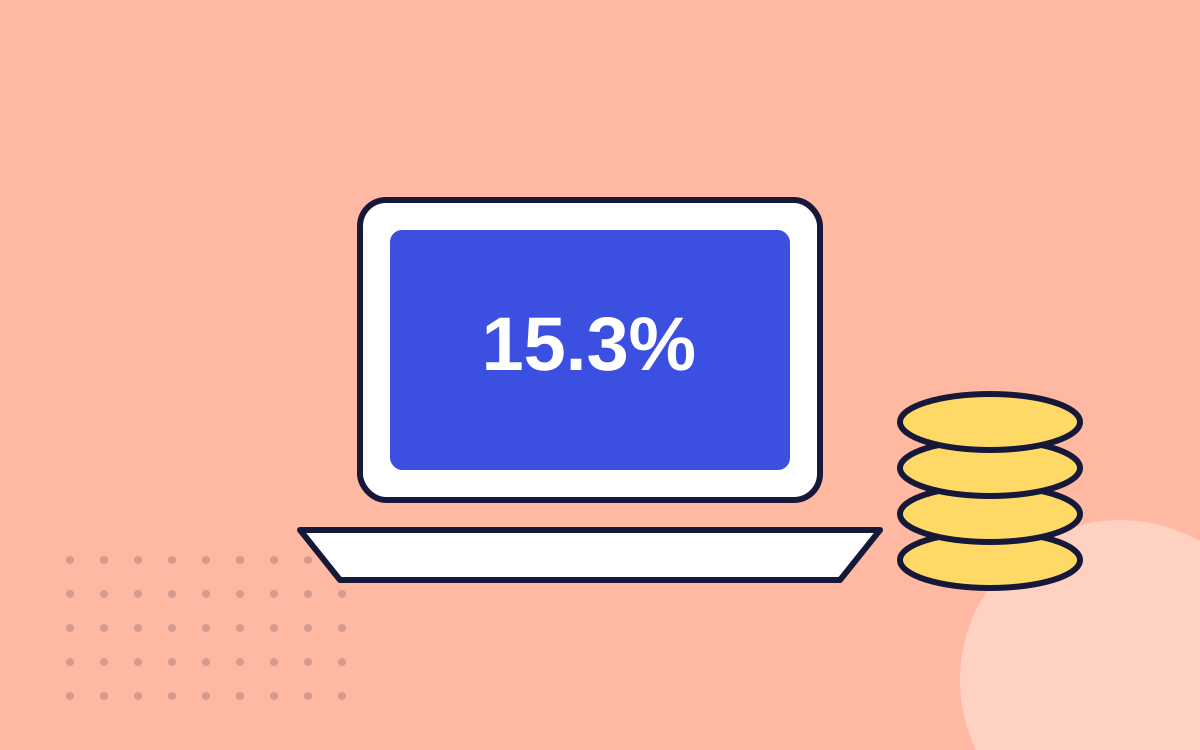
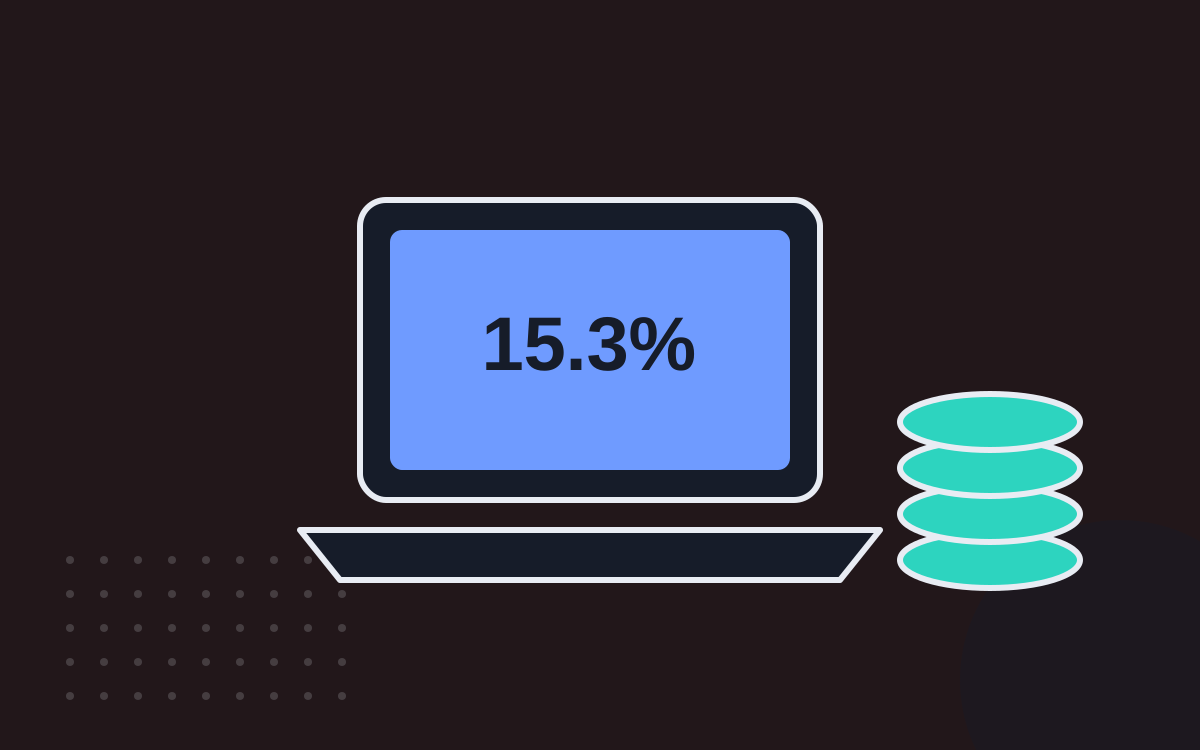
Unlike a regular paycheck, side income comes without automatic tax withholding. Net self-employment earnings of $400 or more trigger a 15.3% tax covering Social Security and Medicare, though all gig income remains subject to federal income tax. Failing to set aside cash for these obligations can lead to an unexpected bill at tax filing time.
Insurance is another major risk to your take-home pay. Using a personal vehicle for commercial tasks without a rideshare endorsement, business-use rider, or commercial policy can leave a driver without insurance coverage after an accident. One uncovered collision can wipe out months of hard-earned gig revenue.
Questions to ask about your vehicle earnings
To make sure your side hours are truly worth your time, review your actual numbers each month:
- Are you logging every business mile to claim the 76 cents per mile deduction?
- Does your personal auto insurer know you drive for pay, and do you have a commercial rider?
- Are you setting aside money from every payout to cover the 15.3% self-employment tax?
- How much are you spending on fuel and maintenance for every hundred dollars you earn?
Ways to protect your vehicle and your pay
If heavy driving puts too much strain on your car, there are ways to lower the mileage burden. Car owners can restrict vehicle wear and tear by using peer-to-peer rental networks like Turo or Getaround to set designated mileage caps. This allows you to earn income while controlling the total distance driven.
You can also explore lower-mileage vehicle gigs. Kiplinger points to alternative options such as commercial wrap advertising through Wrapify or Carvertise, pet transport, and hyper-local grocery or catering errands within a tight radius. Monitoring your net earnings per mile helps ensure your car side hustle actually puts money ahead.
Kaynaklar bölümünde listelenen haberlerden yararlanılarak yapay zekâ desteğiyle yazılmıştır. Rakamlar, alıntılar ve kaynaklar yayımlanmadan önce otomatik olarak kontrol edilir.
Kaynaklar
- Kiplinger, 2026-10-28 kiplinger.com
Bu makale genel bilgilendirme amaçlıdır, kişisel finansal danışmanlık değildir. Örnek hesaplamalardaki rakamlar, yanlarında belirtilen varsayımlardan hesaplanmıştır ve tahmin değildir.
Bir sonraki rehberi e-postayla alın
Her perşembe Payday Note, üstüne ücretsiz Raise Kit.