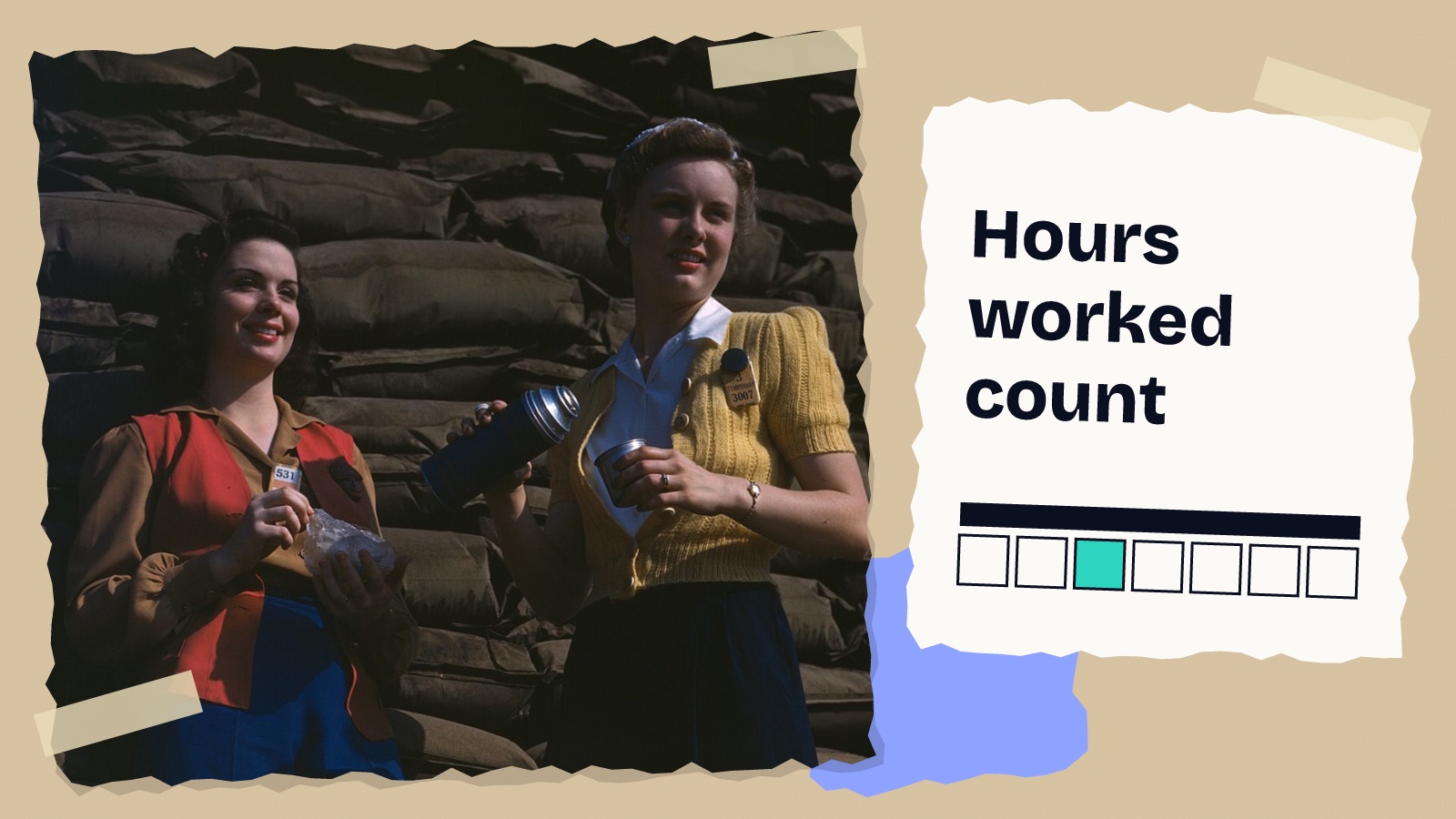
Under federal law, overtime is triggered by the hours you actually work, not the hours you are paid for, so paid holidays, sick time and vacation usually leave you short of the 40-hour line. That can surprise people who stack extra shifts into a week with a day off. This article walks through how the count works, why it matters more now that overtime pay carries a tax break, and what to check before you plan your schedule.
What the federal rule actually counts
Most hourly workers know the basic deal: work more than 40 hours in a week and the extra hours earn a higher overtime rate. What many people miss is what goes into that 40. The federal rule looks at time spent working. It does not look at every hour that shows up on your pay stub.
Paid time off is real pay. It is money you earned, and it lands in your check like any other wages. But for the federal overtime count, vacation hours, sick hours and paid holiday hours are generally treated as time not worked. They raise your pay for the week without moving you closer to the overtime threshold.
This is a common point of confusion, and it is easy to see why. Your pay stub may show one total for hours paid. Your employer's overtime math, if it follows only the federal floor, uses a smaller number: hours worked.
A week with a paid holiday, step by step
Here is the example that trips people up. Say Monday is a paid holiday and you are off. Then you work 40 hours from Tuesday through Saturday.
Add it up the way your paycheck does, and you may be paid for 48 hours that week. Add it up the way the federal overtime rule does, and you worked 40. Forty hours worked is not more than 40, so under the federal standard alone, none of that week earns the overtime premium.
In other words, the holiday pay is still yours, and every hour you worked is still paid. What you do not get is the higher rate on the hours that felt like extra. If you were counting on that premium to cover a bill, the difference can show up as a smaller check than you expected.
The same logic applies to a sick day or a vacation day. Any paid hour you did not actually work generally sits outside the federal overtime count.
Why your employer or state may treat it differently
The federal rule is a minimum, not a ceiling. Some employers choose to count paid leave toward overtime anyway. They may do it as a company policy. In unionized workplaces, the union contract may require it.
State rules can also differ from the federal approach. If you live in a state with its own overtime law, the way hours are counted, or when overtime kicks in, may not match the federal standard. That means two workers with the same schedule in different states, or at different employers, can end up with different overtime pay for the same holiday week.
Because of this, the honest answer to the question of whether your paid day off counts toward overtime is: it depends on where you work. The federal floor says generally no. Your handbook, your contract or your state may say yes.
The tax angle makes the count matter more
Overtime has also become a tax issue. White House spokesperson Matthew Middleton told CNBC by e-mail that the large tax-cut package signed by President Donald Trump lowered taxes for workers who earn tips and overtime pay, among other changes.
For hourly workers, that adds a second reason to understand how overtime hours are counted. Hours that qualify as overtime may now carry a tax benefit as well as a higher rate. Hours that do not count as overtime under the federal rule, such as a week where paid leave left you at 40 hours worked, earn no overtime premium. So the difference between hours paid and hours worked can affect both your gross pay and how that pay is taxed.
The details of any tax break depend on the law and on how your employer reports overtime on your pay records, so it is worth keeping clear notes on which hours were paid at the overtime rate. Your pay stub is the first place to look.
내 급여에 대해 스스로 물어볼 질문
Before you sign up for extra shifts in a week that includes a holiday, vacation or sick day, a few quick checks can save you a surprise on payday.
- Does my employee handbook or union contract say paid leave counts toward overtime, or only hours worked?
- Does my state have its own overtime rule that counts hours differently from the federal standard?
- On my last holiday-week pay stub, did hours paid and hours worked show up as separate lines, and which one set my overtime?
- Are the overtime hours on my pay records clearly labeled, so I can match them to any tax break on overtime pay?
If the handbook is unclear, ask payroll or HR in writing how paid leave is treated in overtime math. A written answer is easier to rely on later than a hallway conversation.
앞으로 지켜볼 점
Keep an eye on your own employer's policy first. Handbooks change, and some companies update how they treat paid leave when they revise holiday schedules or benefits. If you are covered by a union contract, the next round of bargaining is a natural point for this to come up.
Watch your state's rules too, since state overtime law can move separately from federal law. And with overtime pay now tied to a tax change, look for clearer guidance from your employer on how overtime is reported, especially as the year-end pay records arrive.
The simplest habit costs nothing: each week you take paid time off, compare hours paid to hours worked on your stub. Knowing which number drives your overtime helps you plan extra shifts with a clear view of what they will actually pay.
출처에 나열된 보도를 바탕으로 AI의 도움을 받아 작성했어요. 수치, 인용문, 출처는 발행 전에 자동으로 확인해요.
출처
이 글은 일반적인 교육 정보이며, 개인 맞춤형 재무 조언이 아니에요. 계산 예시의 수치는 함께 제시된 가정에 따라 계산한 것이며 예측이 아니에요.
다음 가이드를 이메일로 받아보세요
매주 목요일 Payday Note와 무료 Raise Kit을 받아보세요.